By noon, they were ascending the hills northeast of Urga. They could see the Sacred City gleaming below. The tall lama called the party to a halt to enjoy the view.
"Oh, there's the Living Buddha's palace," Romelle exclaimed in recognition, "and the Chinese section we passed through, and the great temple toward the middle of town, and the charming little village of Russian cottages. What an extraordinary place! We have nothing like it in America or Europe."
When they rode on again, she boldly came abreast of the tall lama, as the other lamas did not seem to dare to do. He registered no surprise, although, for the first mile or two, he did not glance her way. Still, his silence was not unfriendly.
Directly, he spoke. "I suppose you wonder, Madame, about the catalogue that was shown to you by the Living Buddha's wife, and the eclectic assortment of merchandise stored in his palace?"
He did not wait for an answer, but went right on. "There is at least one organ in there, tucked away among at least a dozen pianos, numberless typewriters, and several billiard tables. He is an impulsive man, enchanted by the technical marvels and innovations of the West. He orders everything new and exciting, the latest model of anything will do. Half the caravans from Europe and China are laden with goods for him. He may be the best Sears, Roebuck catalogue customer in the world!"
For the first time, Romelle saw him smile - reflectively, to himself, but it made his face more youthful and lent a sparkle to his eyes.
"It seems odd, though," she said, "that a spiritual leader should be so interested in material things - the row of watches on his arm, the bracelets, the rings."
"Ah, no, he is not interested in them at all!" the lama responded. "He wants to examine everything the world has to offer, to know if it would be good in some way for our land. Could we manufacture such watches or pianos when freedom comes, when we shake off the Manchu yoke and must make our way in the world alone? We are a nation of sheep herders, Madame, who shoot at targets with bows and arrows. Gone are the days when warrior shepherds could sweep out of Asia and take the world by storm. We shall have to find another way. The Living Buddha knows that. Thus, he is searching."
"What does he do with all those things?"
"He declares 'giveaway' days, just as he declared a 'holy' day for your entry to his palace. He sends out the word for the citizens of Urga to gather at the palace. When the crowd assembles, he throws watches, brassieres, corsets, hats, anything small, out of the windows to them, but the large items are displayed outside where anyone may select them."
The route to Dragon's Heart was difficult under the best of weather conditions. In summer, the lama told Romelle, the journey from Urga could be made in a week. In winter, not at all. In the interim seasons of rain or melting snow, between ten days and a fortnight.
Brad proved to be a worthy member of the party. He pitched in manfully and showed intimate knowledge of wilderness lore. Romelle perceived that he was clever and possessed more than his share of common sense. His disposition was reminiscent of Philo's, as was his tolerant, inquiring mind.
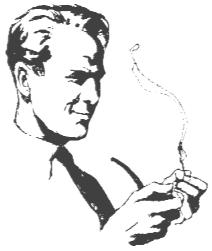 Even in these primitive conditions, he kept up the proprieties, as Philo would have done, dressing properly each night for dinner. Unlike Philo, however, Brad liked to relax with a pipe.
"The story of the telegraph poles is interesting," he informed her one evening. "Wood is scarce here, a valuable commodity which grows only on the mountain fringes in a country of limitless desert and barren plain. When they first put them up, the poles kept disappearing, but the Manchus desperately needed the fast lines of communication with China, so they ordered the Mongols to put a stop to the stealing, or they'd take women and children hostage and slaughter them day after day. That's the kind of thing they do."
Romelle shivered with horror.
"The Mongol leaders all got together and decided on decapitation as the penalty for anyone caught stealing hose poles. Beheading is considered a dishonorable way to die, a great loss of 'face' - no pun intended - because 'face,' or personal dignity, is basic to the Oriental character. They didn't lose many telegraph poles after that. Remember the skulls marking the border, Romy, that frightened you so?"
She groaned at the thought.
"Those were the heads of innocent hostages executed by the Manchus before the new law went into effect," Brad went on.
"Damba told me the Living Buddha had them put there to remind everyone who comes here that Mongolia is ruled by a vicious gang who'll stop at nothing to achieve their goal, even at the sacrifice of women's and children's lives!"She looked at him straight on, a new expression on her face. "Brad, I'm surprised to hear myself say it, but I agree with what he's done. I had thought of those skulls at the border as a morbid or cynical joke exemplifying an inscrutable Asian quirk, but they are not. They are signs, symbols, of a principle. They have meaning. They would not horrify me anymore."
She looked away at the distant hills. "Brad, there are so many things worth understanding in this country."
The trek through the mountains wrought other changes in Romelle. She became leaner and browner from hard riding and exposure. She relaxed the discipline of European dress and literally let down her hair although she continued to wear the black of mourning as she felt a widow should. She sat more firmly in the saddle, and reined Fate with command.
The tall lama was right when he said the first night that this was a new world to me. But it is not so new, or so strange, anymore. There is beauty here, and passion. When he spoke to me later about the Living Buddha's concern for the future of the country, I sensed passion in him. He is not just a priest, a monk. He is a patriot. He has fire! I shall be anxious to see what my father thinks of him. Oh, Father...only a few days more! Will I be what you expect? Even in these primitive conditions, he kept up the proprieties, as Philo would have done, dressing properly each night for dinner. Unlike Philo, however, Brad liked to relax with a pipe.
"The story of the telegraph poles is interesting," he informed her one evening. "Wood is scarce here, a valuable commodity which grows only on the mountain fringes in a country of limitless desert and barren plain. When they first put them up, the poles kept disappearing, but the Manchus desperately needed the fast lines of communication with China, so they ordered the Mongols to put a stop to the stealing, or they'd take women and children hostage and slaughter them day after day. That's the kind of thing they do."
Romelle shivered with horror.
"The Mongol leaders all got together and decided on decapitation as the penalty for anyone caught stealing hose poles. Beheading is considered a dishonorable way to die, a great loss of 'face' - no pun intended - because 'face,' or personal dignity, is basic to the Oriental character. They didn't lose many telegraph poles after that. Remember the skulls marking the border, Romy, that frightened you so?"
She groaned at the thought.
"Those were the heads of innocent hostages executed by the Manchus before the new law went into effect," Brad went on.
"Damba told me the Living Buddha had them put there to remind everyone who comes here that Mongolia is ruled by a vicious gang who'll stop at nothing to achieve their goal, even at the sacrifice of women's and children's lives!"She looked at him straight on, a new expression on her face. "Brad, I'm surprised to hear myself say it, but I agree with what he's done. I had thought of those skulls at the border as a morbid or cynical joke exemplifying an inscrutable Asian quirk, but they are not. They are signs, symbols, of a principle. They have meaning. They would not horrify me anymore."
She looked away at the distant hills. "Brad, there are so many things worth understanding in this country."
The trek through the mountains wrought other changes in Romelle. She became leaner and browner from hard riding and exposure. She relaxed the discipline of European dress and literally let down her hair although she continued to wear the black of mourning as she felt a widow should. She sat more firmly in the saddle, and reined Fate with command.
The tall lama was right when he said the first night that this was a new world to me. But it is not so new, or so strange, anymore. There is beauty here, and passion. When he spoke to me later about the Living Buddha's concern for the future of the country, I sensed passion in him. He is not just a priest, a monk. He is a patriot. He has fire! I shall be anxious to see what my father thinks of him. Oh, Father...only a few days more! Will I be what you expect?
|